┌──────────────────────────────────────────────────────┐
QUICK SUMMARY
A dental emergency can happen suddenly, and prompt professional care can help relieve pain, protect your tooth, and prevent a manageable problem from becoming more complicated. At Briter Dental, we provide emergency dental treatment for patients experiencing toothaches, broken or chipped teeth, damaged crowns or fillings, dental trauma, swelling, infections, and other urgent oral health concerns. Our goal is to evaluate the problem quickly, explain your treatment options clearly, and provide comfortable, personalized care.
If you are experiencing a dental emergency in Katy or the surrounding area, contact Briter Dental as soon as possible. Our team will help determine the appropriate next step and make every effort to provide timely care.
└──────────────────────────────────────────────────────┘
Emergency Dental Treatment for Patients in Katy
A dental emergency can change your entire day in a matter of minutes. A tooth that felt completely normal in the morning can suddenly become painful, a crown can come loose while you are eating, or an accident can leave a tooth chipped, cracked, loosened, or knocked out. When something unexpected happens to your teeth or gums, knowing where to turn can make an already stressful situation much easier to manage.
At Briter Dental, we understand that urgent dental problems require more than simply scheduling a routine appointment several days or weeks in the future. Our team provides emergency dental treatment for patients who need prompt attention for pain, dental injuries, broken restorations, swelling, infections, and other problems affecting their oral health. We make every effort to see patients with urgent concerns as promptly as possible and to determine what is causing the problem before recommending appropriate treatment.
Our office is located at 1744 Fry Road in Houston, TX 77084, providing convenient access to patients throughout Katy and nearby communities. We welcome patients of all ages and provide a broad range of general, restorative, cosmetic, pediatric, and specialized dental services. Our multidisciplinary team includes dentists with experience in general dentistry, oral and maxillofacial surgery, and pediatric dentistry, allowing us to approach many dental concerns with comprehensive care.
If you are searching for an emergency dentist in Katy because you are suddenly experiencing significant dental pain or have injured a tooth, do not assume that you simply need to wait until your next regular dental visit. Prompt evaluation can help identify the source of the problem and determine what needs to happen next.
What Is Considered a Dental Emergency?
Not every dental problem produces the same symptoms, and some serious dental conditions may initially cause surprisingly little discomfort. For that reason, it is important to pay attention to changes involving your teeth, gums, bite, dental restorations, and the surrounding tissues.
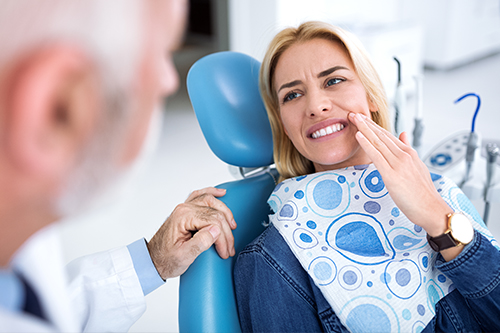
Severe or persistent tooth pain is one of the most common reasons people seek emergency dental care. A toothache can have many possible causes, including advanced decay, damage to the tooth, inflammation of the dental pulp, infection, or an issue involving the tissues around the tooth. Pain that becomes intense, continues to worsen, interferes with sleeping, or makes it difficult to eat should not be ignored.
Dental trauma is another common reason for urgent treatment. A fall, automobile accident, sports injury, or accidental impact can cause a tooth to chip, fracture, become loose, or be completely knocked out. Even if the visible damage appears small, trauma can affect the internal structures of the tooth or the surrounding bone and soft tissues.
Other situations that may require prompt attention include a dislodged crown, a lost filling, a broken denture, significant swelling, bleeding that does not stop, or symptoms that suggest an infection. Some dental emergencies may not cause severe pain, but that does not mean they can safely be ignored.
When you are uncertain whether your situation qualifies as an emergency, contacting our office is a sensible first step. We can listen to your symptoms and help determine how quickly you should be evaluated.
Common Dental Emergencies We Treat
Dental emergencies can look very different from one patient to another. Our approach begins with identifying what happened, examining the affected area, and determining what treatment may be necessary to protect your oral health.
Toothaches are particularly common. A tooth may hurt constantly, become sensitive to temperature, hurt when you bite down, or produce intermittent pain that gradually becomes more frequent. Sometimes the source is straightforward, such as a cavity that has progressed significantly. In other cases, the problem may involve the tooth's nerve or an infection that requires more involved treatment.
A cracked or chipped tooth should also be evaluated. A small chip may primarily affect appearance, while a deeper fracture can expose sensitive portions of the tooth or compromise its structure. The appropriate treatment depends on how much of the tooth has been affected and whether the root or internal structures are involved.
We also provide urgent care for damaged dental restorations. A lost filling or loose crown can leave vulnerable tooth structure exposed. Continuing to chew normally on that tooth can make the situation worse, particularly if the underlying tooth is already weakened.
Dental injuries involving children deserve special attention. Children can experience dental trauma while playing sports, riding bicycles, participating in recreational activities, or simply during everyday accidents. Because Briter Dental provides pediatric dentistry, we understand that children may need a particularly gentle and reassuring approach when an unexpected dental injury occurs.
Some symptoms are relatively easy to recognize as urgent, while others can be more subtle. As a general rule, significant pain, swelling, trauma, or sudden changes involving a tooth or dental restoration deserve professional attention.
What to Do Before You Reach Our Office
When a dental emergency occurs, it is natural to feel anxious or unsure about what to do. The most important step is to contact a dental professional rather than attempting to diagnose or treat the problem yourself.
If you have a broken or chipped tooth, gently rinse your mouth with warm water to remove debris. If there is bleeding, gentle pressure with clean gauze can help control it. A cold compress applied to the outside of the cheek may help reduce swelling following an injury.
If a tooth has been knocked out, handle it carefully and avoid touching the root. Keeping the tooth moist while seeking immediate professional care is important. Do not attempt procedures that could damage the tooth further.
For swelling associated with a suspected infection, avoid attempting to drain the area yourself. Dental infections require professional evaluation because treating only the symptoms does not address the underlying source.
Over-the-counter pain medication may provide temporary relief for some patients, but it should be used according to the product's directions and your individual medical circumstances. Never place aspirin directly against your gums or tooth because it can injure the soft tissues.
These steps are temporary measures. They are not substitutes for an examination and appropriate treatment.
Why Prompt Emergency Dental Care Matters
It can be tempting to wait and see whether dental pain disappears on its own. Unfortunately, dental problems often do not resolve simply because symptoms temporarily become less noticeable. An infection, fracture, or damaged tooth can continue to progress even when the discomfort changes.
Early evaluation gives us an opportunity to determine the underlying cause and discuss appropriate treatment before the problem potentially becomes more complicated. Depending on the situation, emergency treatment may focus on relieving pain, controlling infection, stabilizing an injured tooth, protecting exposed tooth structure, or determining whether a damaged tooth can be restored.
Our emergency dental treatment is centered on both the immediate problem and your long-term oral health. We do not want to simply address today's discomfort without considering why it occurred or what will be necessary to protect the tooth afterward.
For example, a severe toothache may ultimately require a filling, ceramic crown, or root canal depending on the extent of the damage. A severely compromised tooth may require removal through appropriate dental or oral surgical care. A damaged restoration may need to be repaired or replaced. The correct treatment depends on what we find during your examination.
What to Expect During an Emergency Dental Visit
When you contact Briter Dental about a dental emergency, we first want to understand what happened and how you are feeling. Our team may ask when your symptoms began, whether the pain is constant or intermittent, whether you experienced an injury, and whether you have noticed swelling, bleeding, sensitivity, or changes in your bite.
During your appointment, we will evaluate the affected area and determine what may be causing your symptoms. Diagnostic technology may be used when appropriate to help us understand what is happening beneath the visible surface of the tooth and surrounding structures.
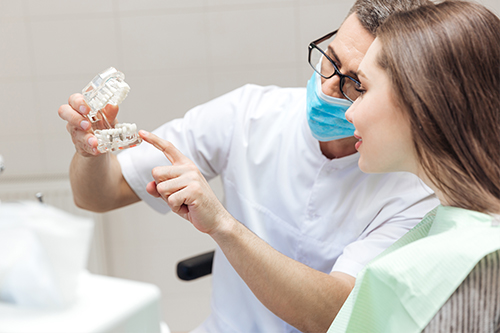
We will then explain what we find and discuss your treatment options. We believe patients should understand their dental care, particularly when an emergency has created anxiety or uncertainty. Our goal is to provide clear information so you can make informed decisions about your oral health.
The treatment performed during an emergency appointment varies according to the condition. Some patients may need a filling or crown, while others may require root canal therapy, extraction, or oral surgical treatment. When appropriate, emergency care may be followed by restorative treatment designed to return the tooth to normal function and appearance.
Emergency Dental Treatments Available at Briter Dental
Our emergency care is supported by the comprehensive dental services we provide at our practice. This allows us to address an urgent problem while considering what your smile may need after the immediate crisis has been managed.
Depending on your individual situation, treatment may involve dental fillings, ceramic crowns, root canals, dental bridges, dentures, implant dentistry, implant restorations, inlays and onlays, or oral surgery. Our practice also provides bone grafts and implant-supported dentures when indicated as part of broader restorative care.
Root canal treatment can be particularly important when infection or inflammation has reached the inside of a tooth. The objective is to address the diseased tissue while preserving the natural tooth whenever it can be successfully restored.
A ceramic crown may be appropriate when a tooth has sustained substantial structural damage. Fillings may be used when decay or damage can be treated without requiring a more extensive restoration. Oral surgery may be necessary for certain complex dental conditions, including difficult extractions or specific emergency situations involving injury or infection.
Because emergency dental problems are not identical, we do not assume that every patient requires the same procedure. We evaluate the individual circumstances and develop care around the condition of the tooth, surrounding tissues, and overall oral health.
Serving Katy and the Surrounding Community
Katy is a growing, active community where families, professionals, children, and older adults all have busy schedules. A dental emergency does not wait for a convenient time. A severe toothache can begin before work, a child can injure a tooth during an afternoon activity, or a restoration can become damaged while eating dinner.
Our location on Fry Road makes Briter Dental a convenient option for patients seeking emergency dental care in the Katy area. We serve patients from Katy and nearby communities who want comprehensive dental care from a practice where emergency needs can be addressed alongside ongoing oral health concerns.
Patients may be balancing work, school, family responsibilities, commuting, and other obligations when an emergency occurs. That is why prompt communication matters. When you call our office, we can discuss what you are experiencing and help determine the appropriate next step rather than leaving you to decide whether the problem is serious enough to warrant care.
For families in and around Katy, having a dental office familiar with your family's oral health needs can also make unexpected situations less stressful. Our practice welcomes children, adults, and seniors and provides comprehensive care across different stages of life.
Our Comprehensive Dental Services
Emergency dentistry is one part of the care we provide at Briter Dental. Because many urgent dental problems eventually require restorative, preventive, or specialized treatment, our broader range of services allows us to support patients beyond the initial emergency.
Our practice offers general and family dentistry along with services including oral exams, preventive programs, periodontal treatment, dental fillings, dental sealants, root canals, ceramic crowns, dental bridges, dentures, implant dentistry, implant restorations, implant-supported dentures, inlays and onlays, oral surgery, bone grafts, TMJ disorder treatment, night guards, pediatric dentistry, geriatric dentistry, cosmetic dentistry, teeth whitening, veneers, Invisalign, and orthodontics.
This comprehensive approach is especially valuable when an emergency reveals an underlying dental issue. Once the urgent concern has been stabilized, we can discuss the next stage of treatment and help you understand how to protect your oral health going forward.
Most dental emergencies are best evaluated by a dental professional because dentists are equipped to diagnose and treat problems involving the teeth, gums, and oral structures. However, certain circumstances require immediate medical attention rather than waiting for a dental appointment.
If a dental injury is accompanied by difficulty breathing or swallowing, significant facial trauma, uncontrolled bleeding, severe swelling affecting the airway, or another potentially life-threatening condition, seek emergency medical care immediately.
When the immediate threat to your health has been addressed, dental care may still be necessary to treat the underlying injury.
If you are unsure where to go, contacting our office can help you understand whether your symptoms appear appropriate for urgent dental care or whether emergency medical evaluation is more appropriate.
How We Help Make Emergency Care More Comfortable
Dental emergencies can create fear in addition to physical discomfort. You may be worried about losing a tooth, concerned about the appearance of your smile, or uncertain about how much treatment will be necessary. We understand that these concerns can make an already difficult situation feel overwhelming.
At Briter Dental, we emphasize communication, patient comfort, and individualized treatment planning. Our team takes time to listen to your concerns, explain treatment options, and involve you in decisions about your care. Our practice is built around providing personalized dental care in a welcoming environment, with a focus on education and collaboration.
We also recognize that an emergency visit does not necessarily mean that you will need a major procedure. The purpose of the visit is to determine what is actually happening and establish the appropriate treatment plan. In some cases, relatively straightforward care can resolve the immediate problem. In others, additional restorative or surgical treatment may be necessary.
Either way, our goal is to give you clarity about your oral health and a practical path forward.
Preventing Future Dental Emergencies
Not every dental emergency can be prevented. Accidents happen, and dental trauma can occur even when you are careful. However, maintaining regular preventive dental care can reduce the likelihood of some problems becoming emergencies.
Regular examinations allow us to identify cavities, damaged restorations, gum concerns, worn teeth, and other changes before they become more serious. Good daily oral hygiene also helps reduce the accumulation of plaque and lowers the risk of tooth decay and periodontal problems.
Protective measures can also be valuable for patients who participate in sports or activities where facial injuries are possible. Addressing damaged or weakened teeth promptly is another important part of prevention. A tooth that is already compromised may be more susceptible to breaking when exposed to normal chewing forces.
Our preventive and general dentistry services are designed to support your oral health between emergencies, not simply treat problems after they occur.
Get Prompt Care When Your Smile Cannot Wait
A dental emergency can be painful, disruptive, and frightening, but you do not have to navigate it without professional guidance. At Briter Dental, we provide emergency dental treatment for patients experiencing toothaches, dental injuries, broken or damaged teeth, swelling, infections, damaged restorations, and other urgent concerns. Our team will evaluate your situation, explain what we find, and recommend treatment based on your individual needs.
If you are looking for an emergency dentist in Katy, we welcome you to contact Briter Dental at the first sign of a serious dental problem. Our office is located at 1744 Fry Road in Houston, TX 77084, and our new-patient phone number is (281) 213-5048. We will make every effort to provide timely attention and help you get back to a healthy, comfortable smile.